In The Poetics of Music, Igor Stravinksy says, “Invention presupposes imagination but should not be confused with it… What we imagine does not necessarily take on concrete form and may remain in a state of virtuality; whereas invention is not conceivable apart from its actually being worked out… We have a duty towards music; namely, to invent it.”
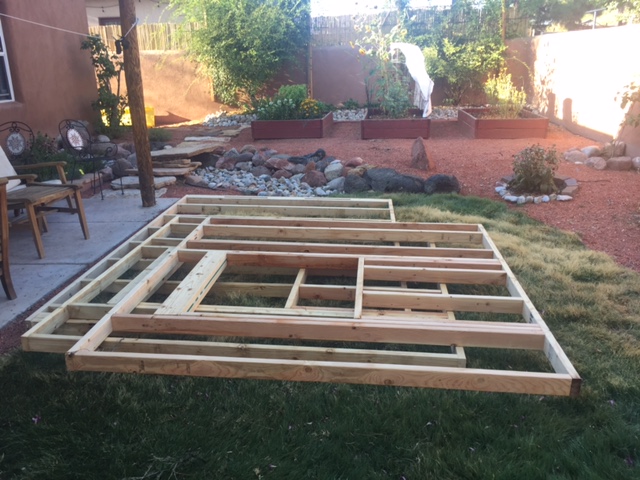
In 2007, when my two sons were seven and four, I had a duty towards treehouses; namely, to build one.

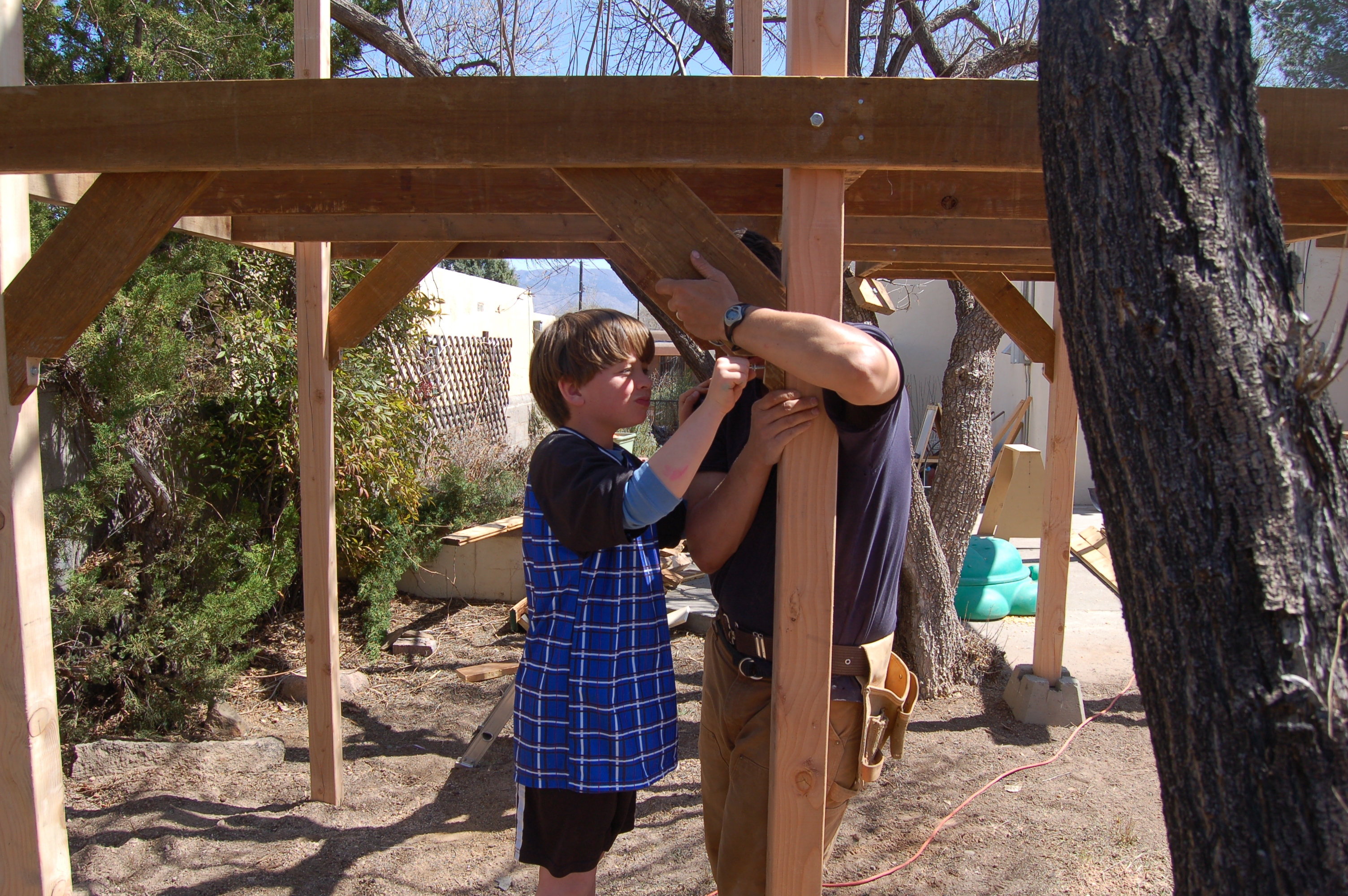
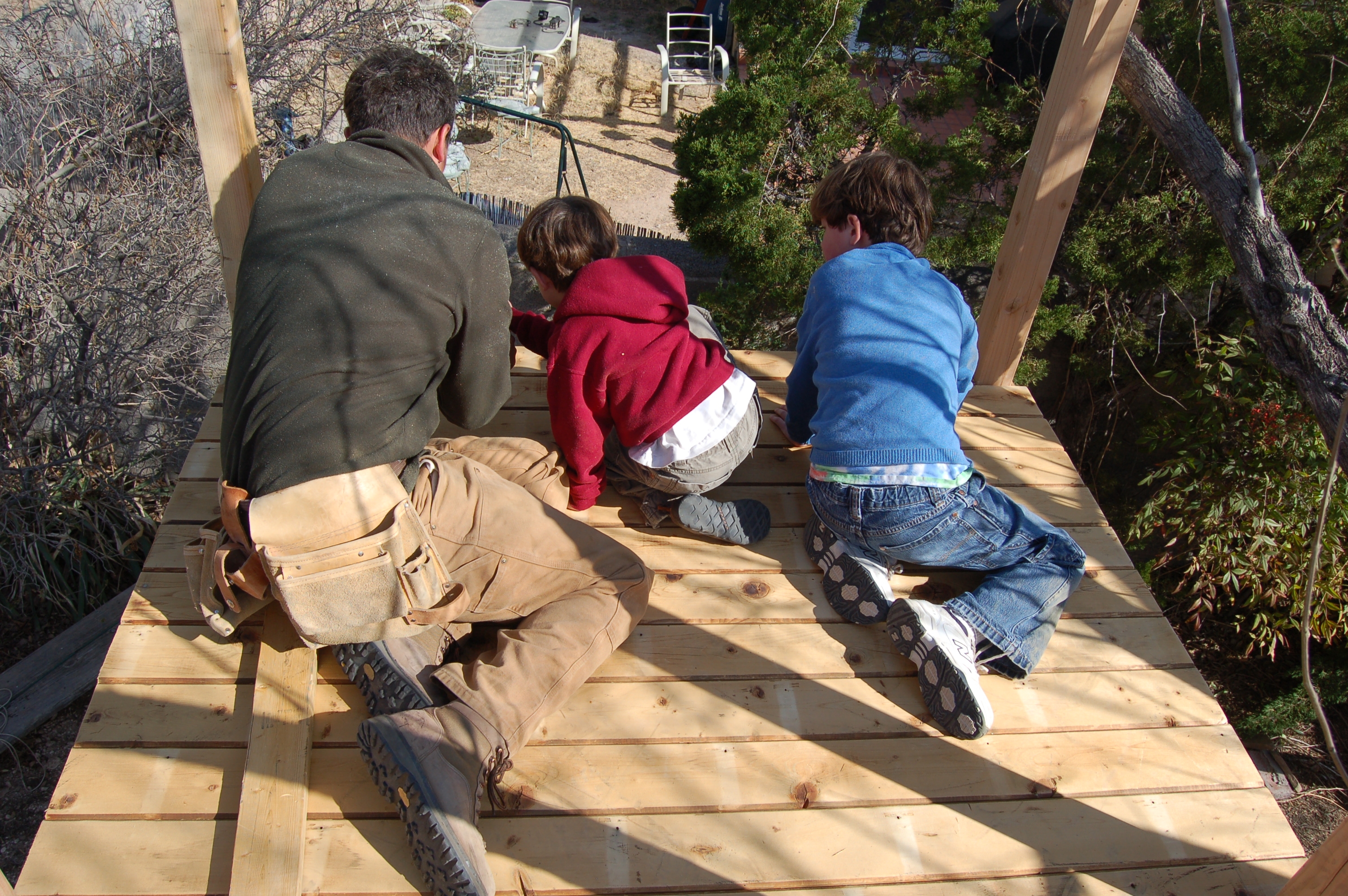


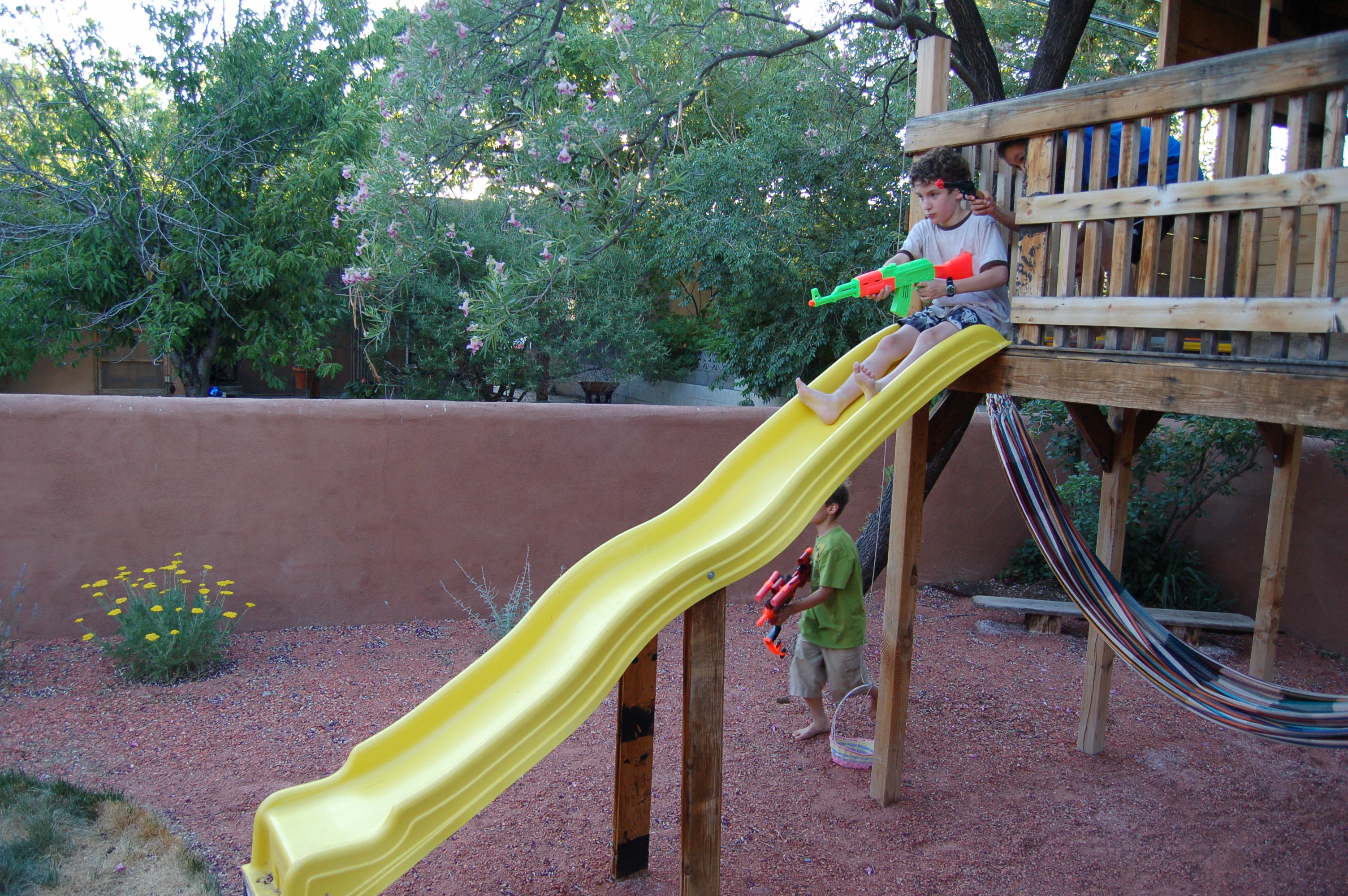
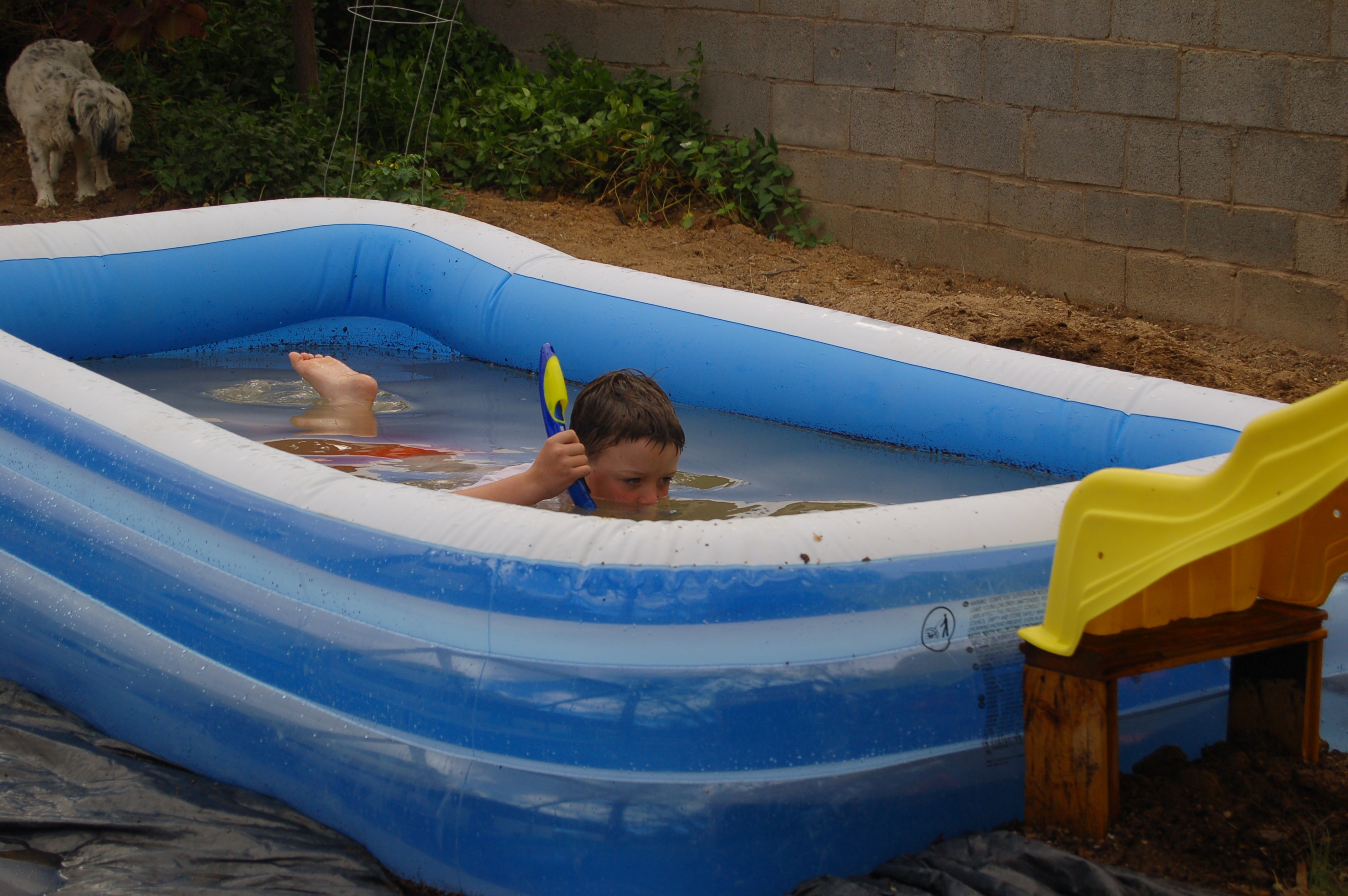
The years passed.
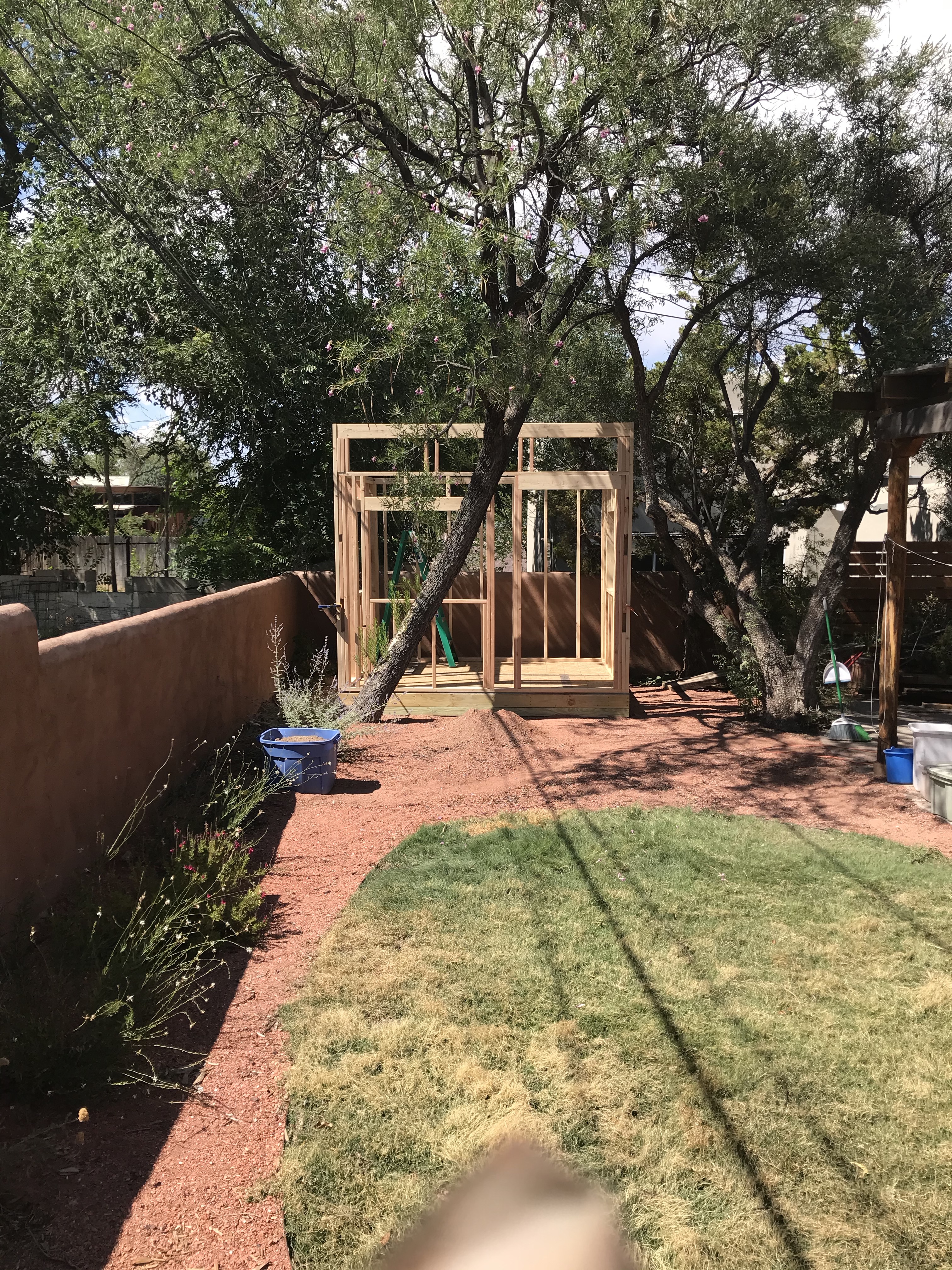
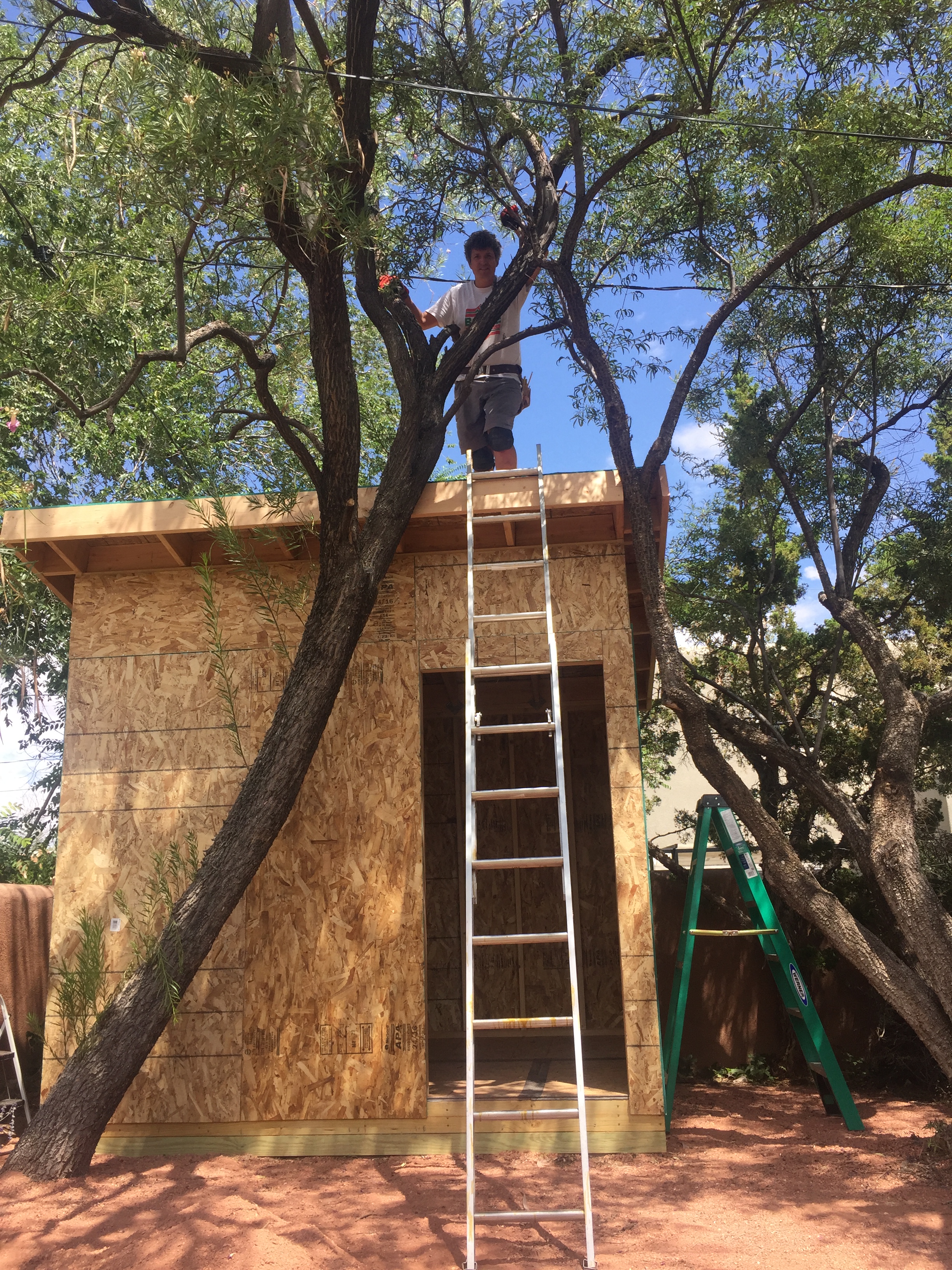
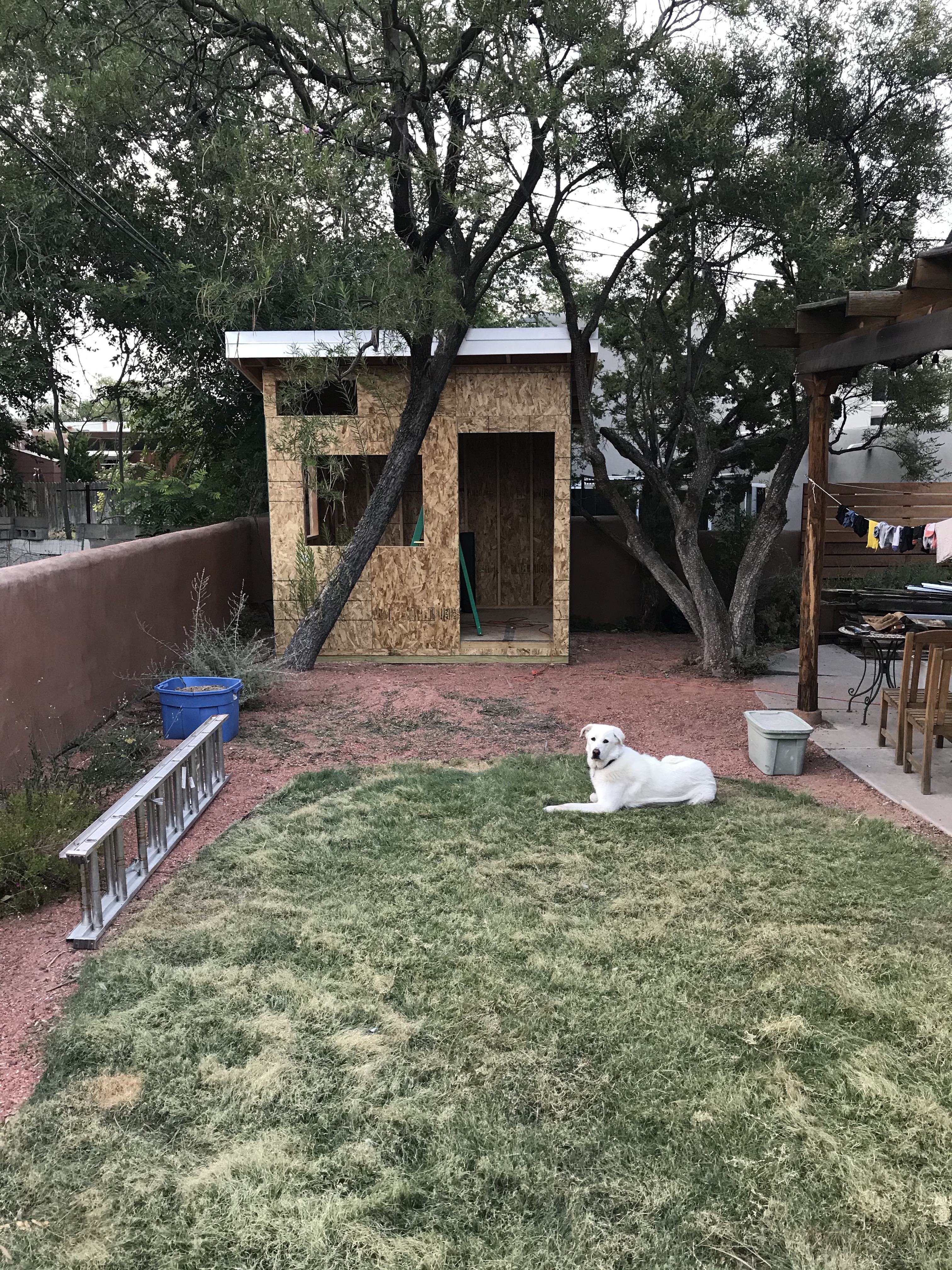
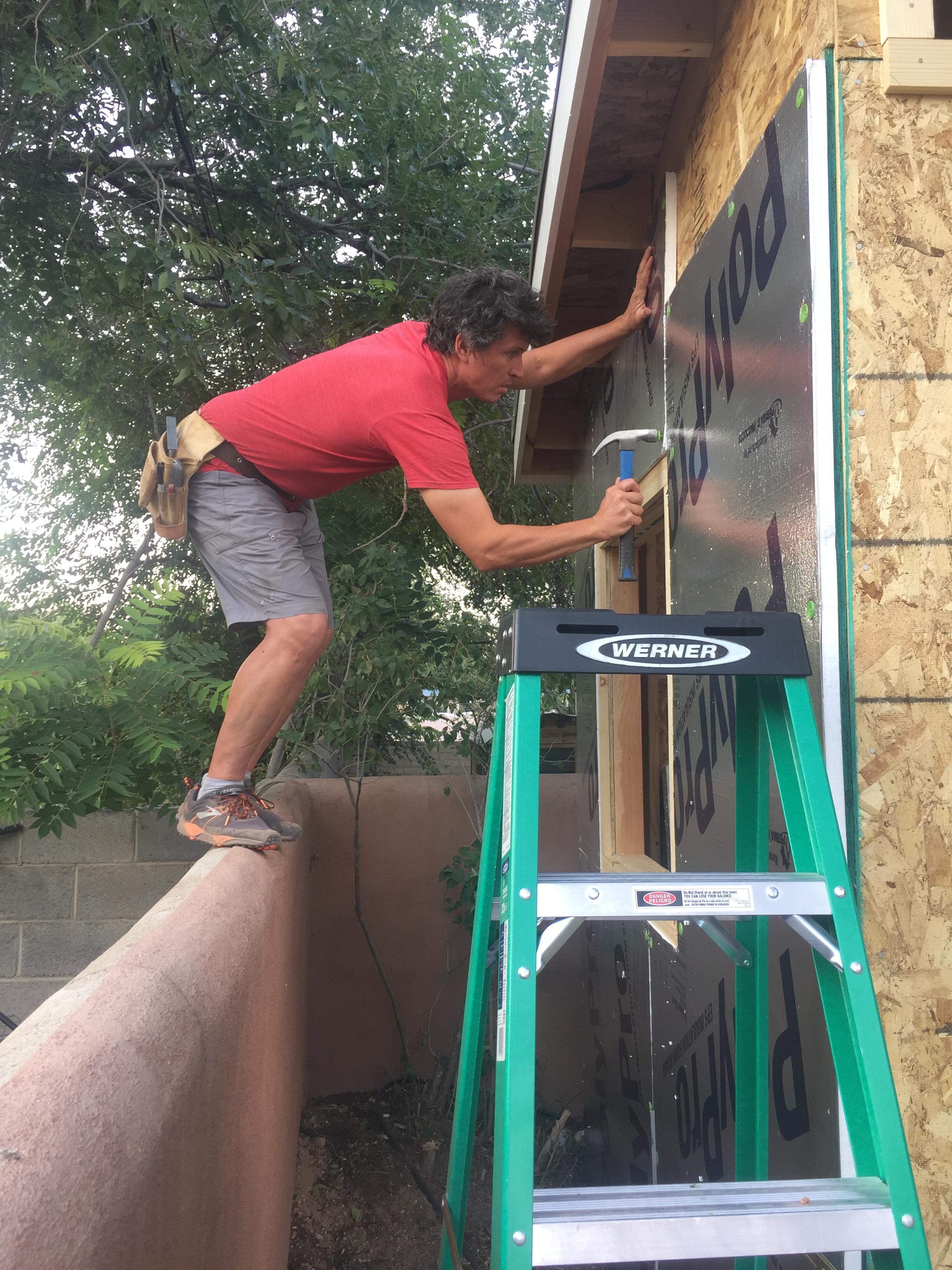
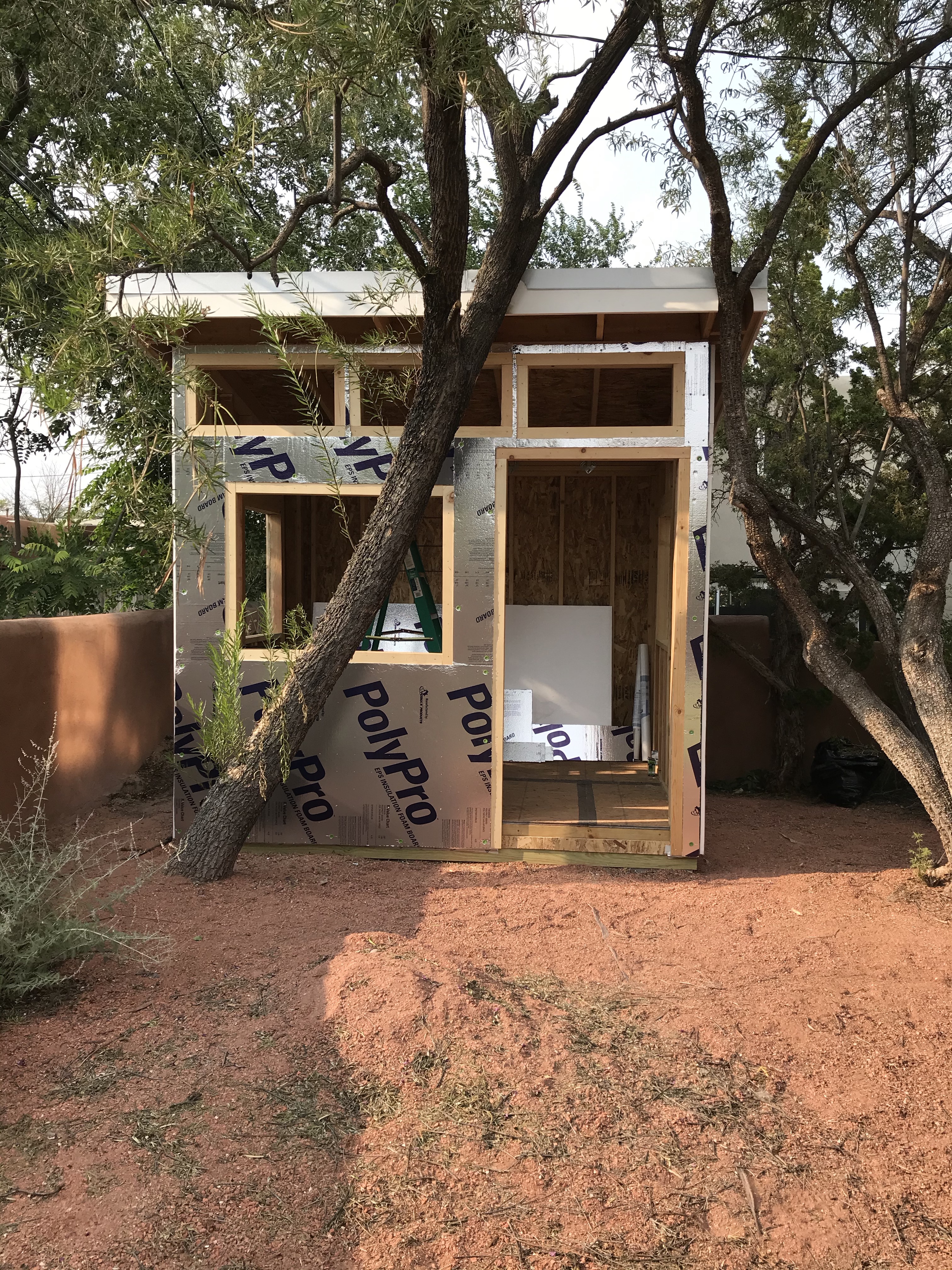
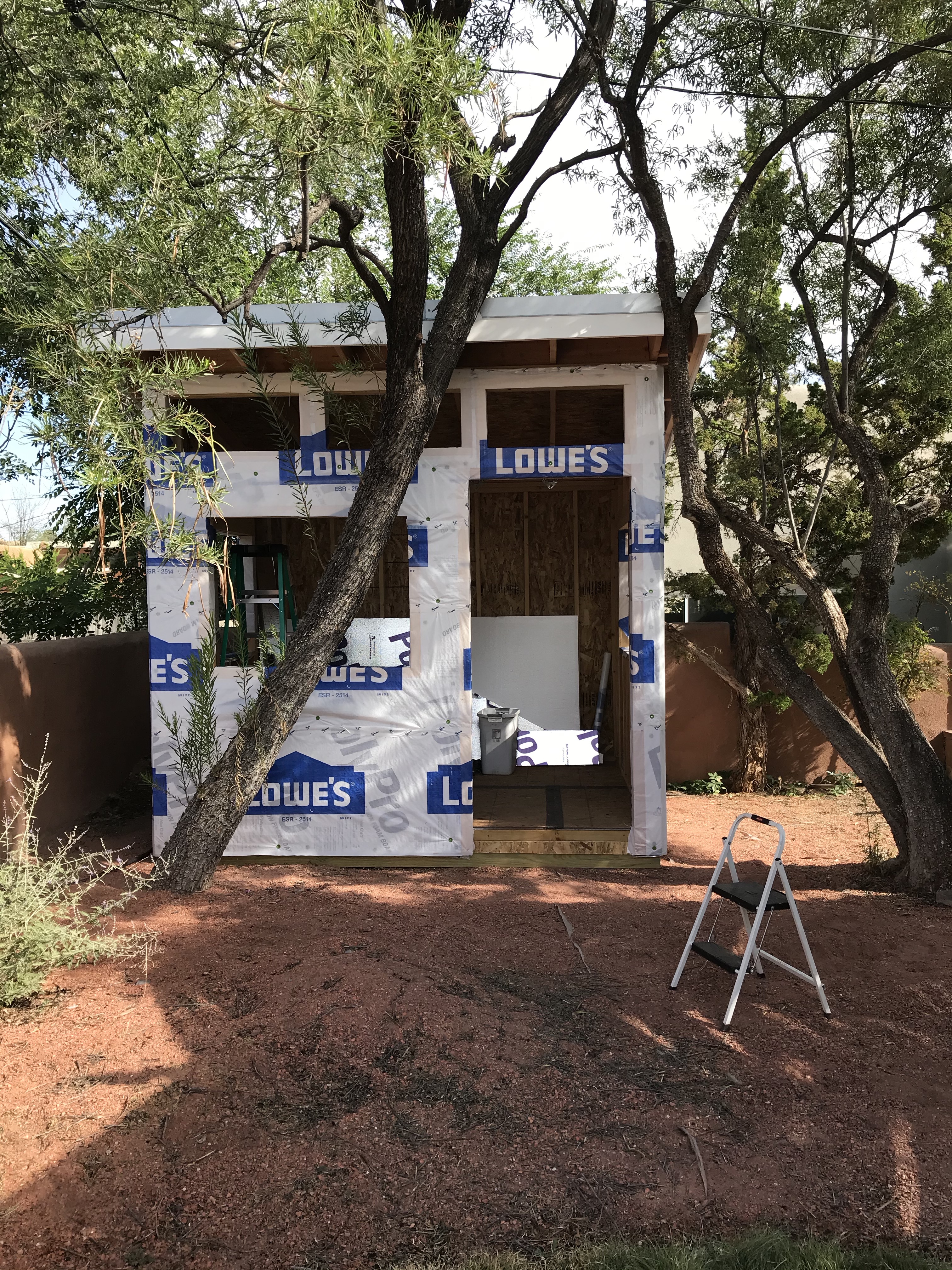
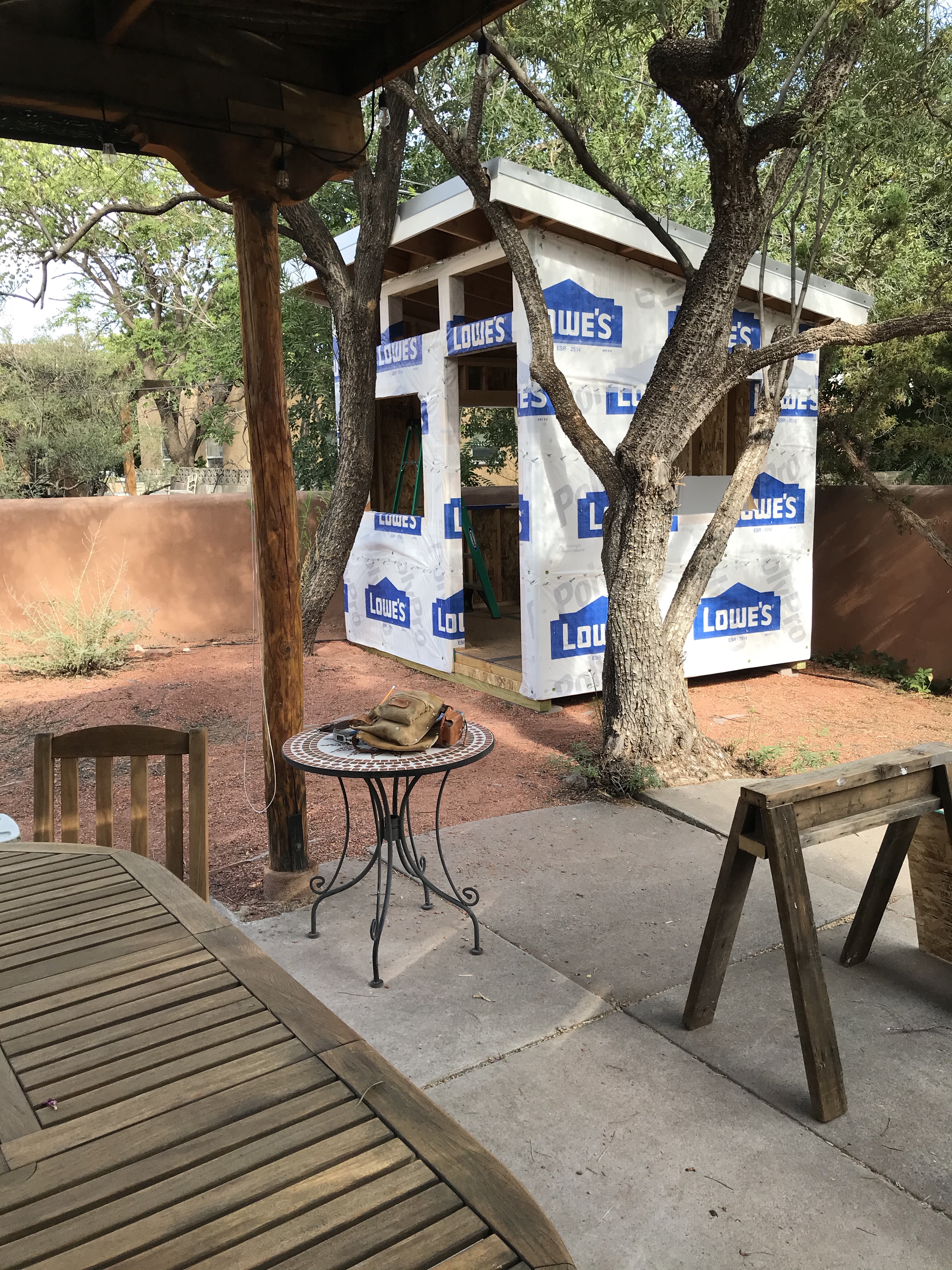
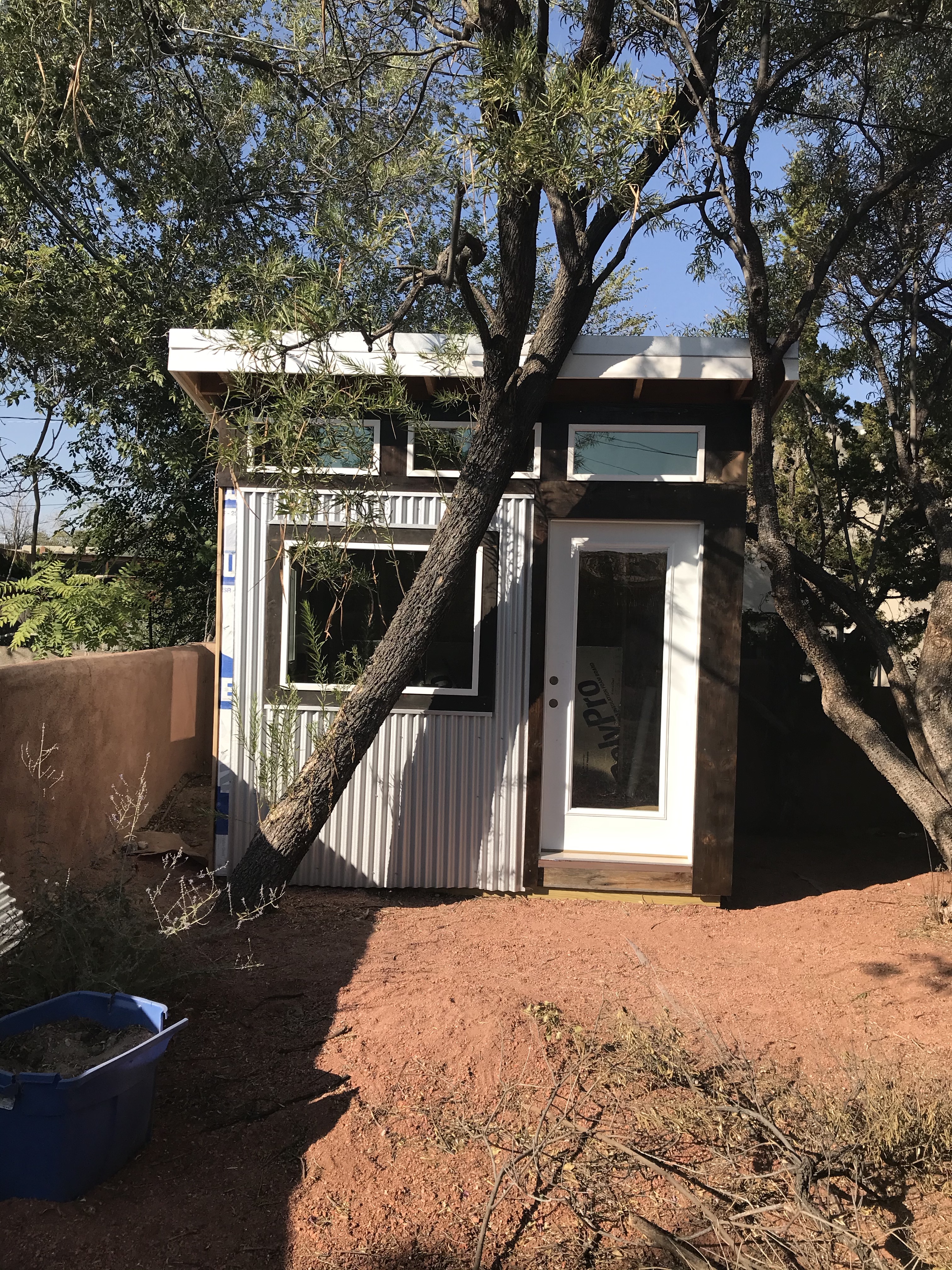
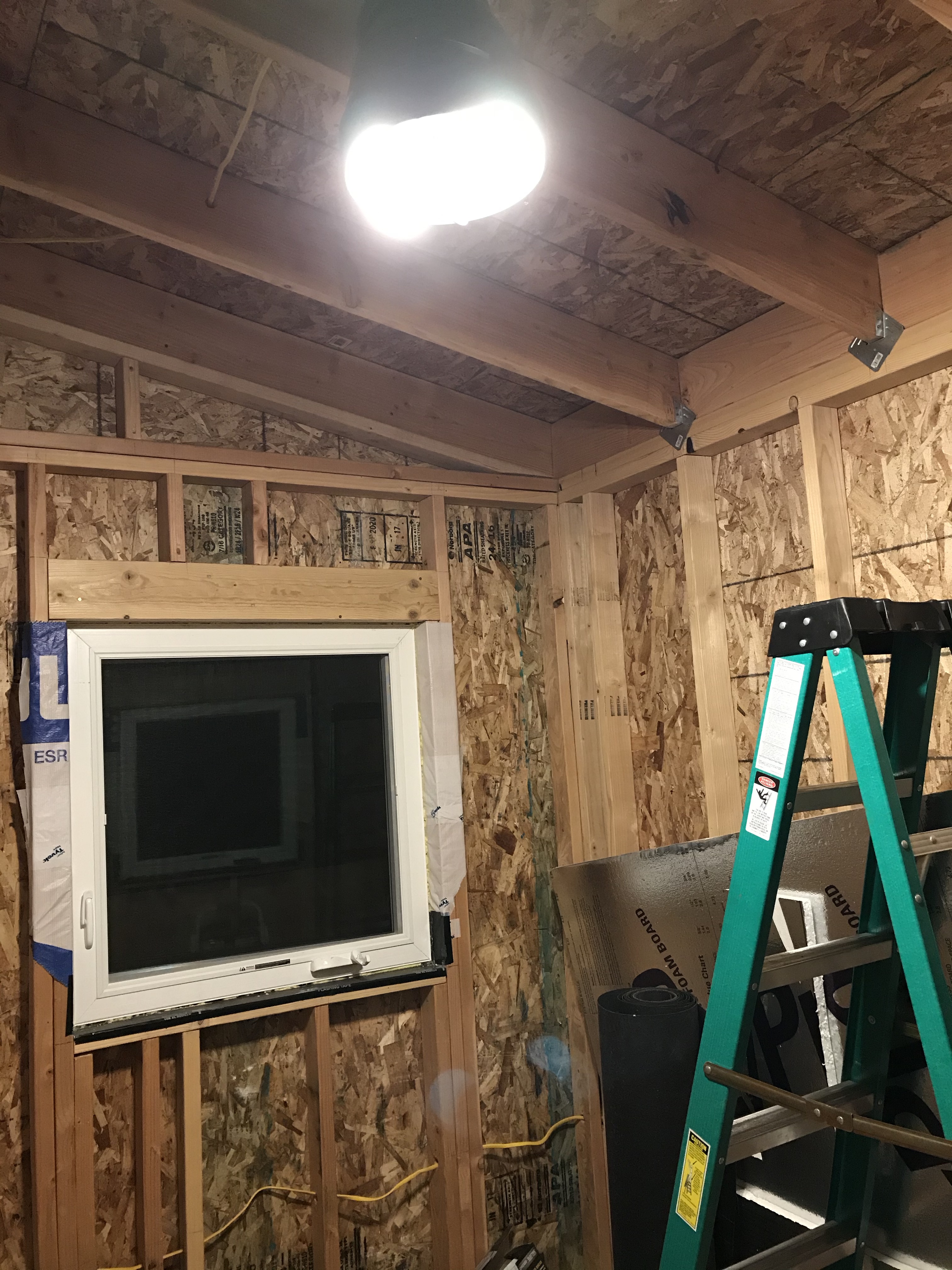
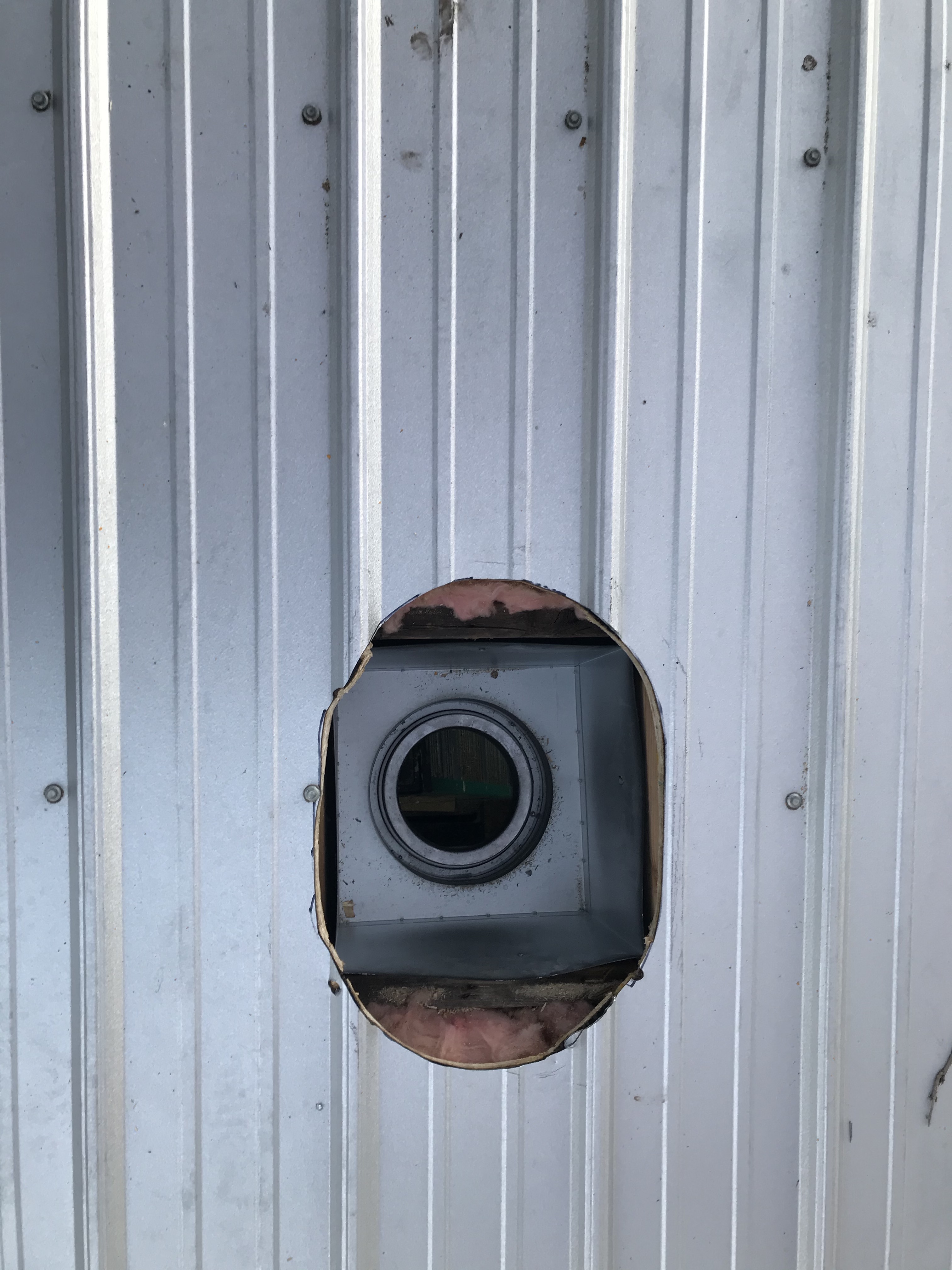
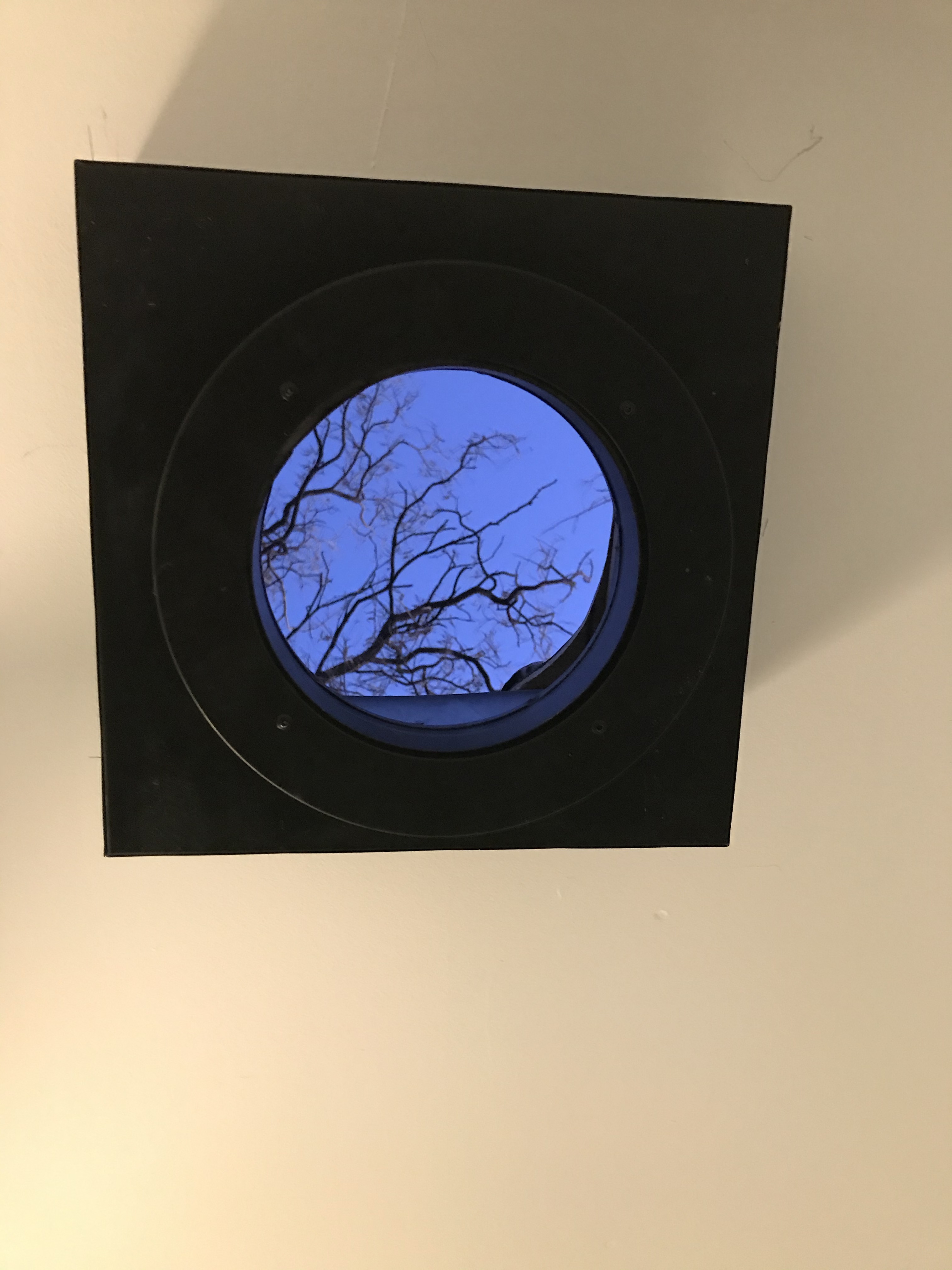
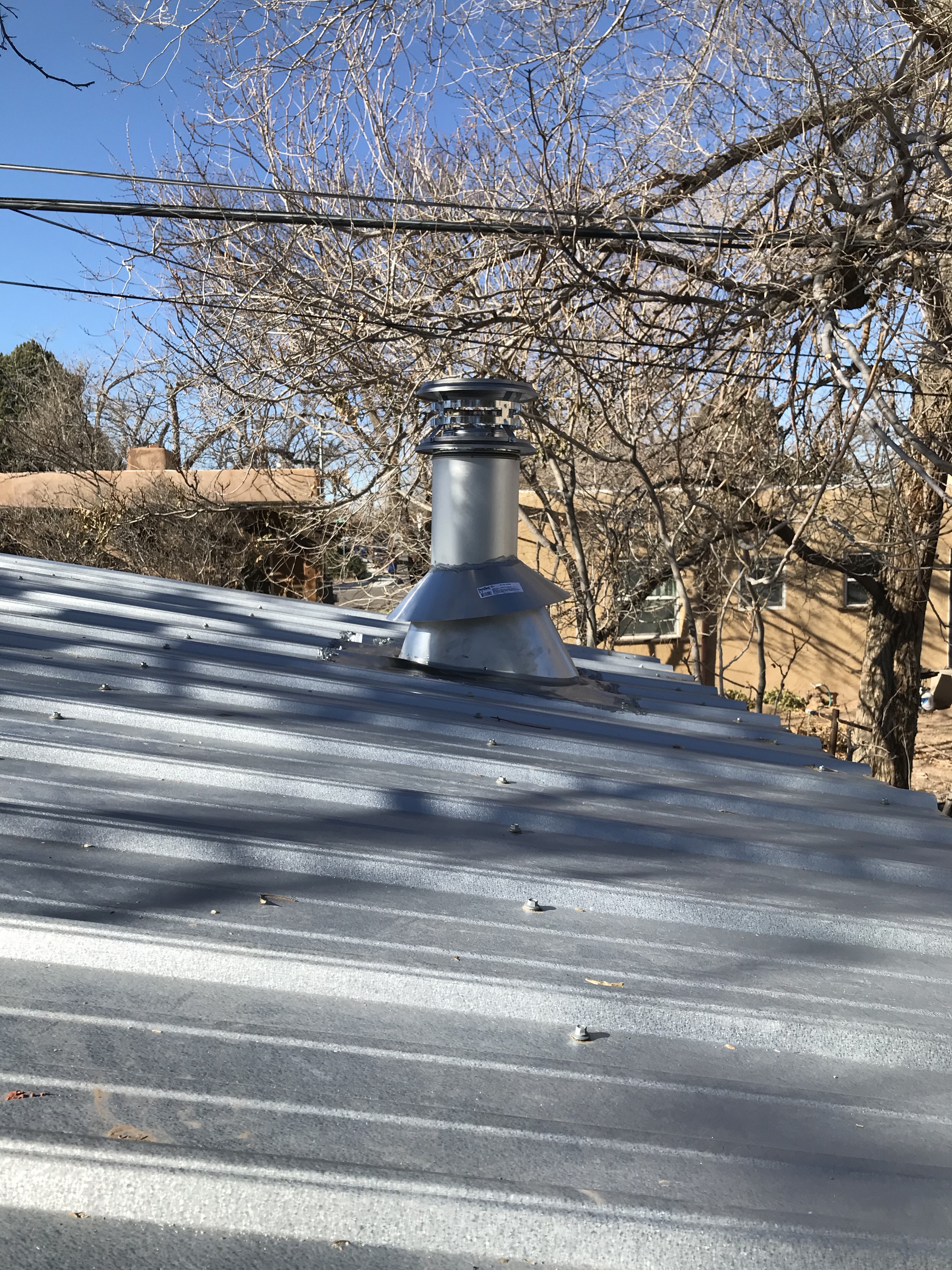
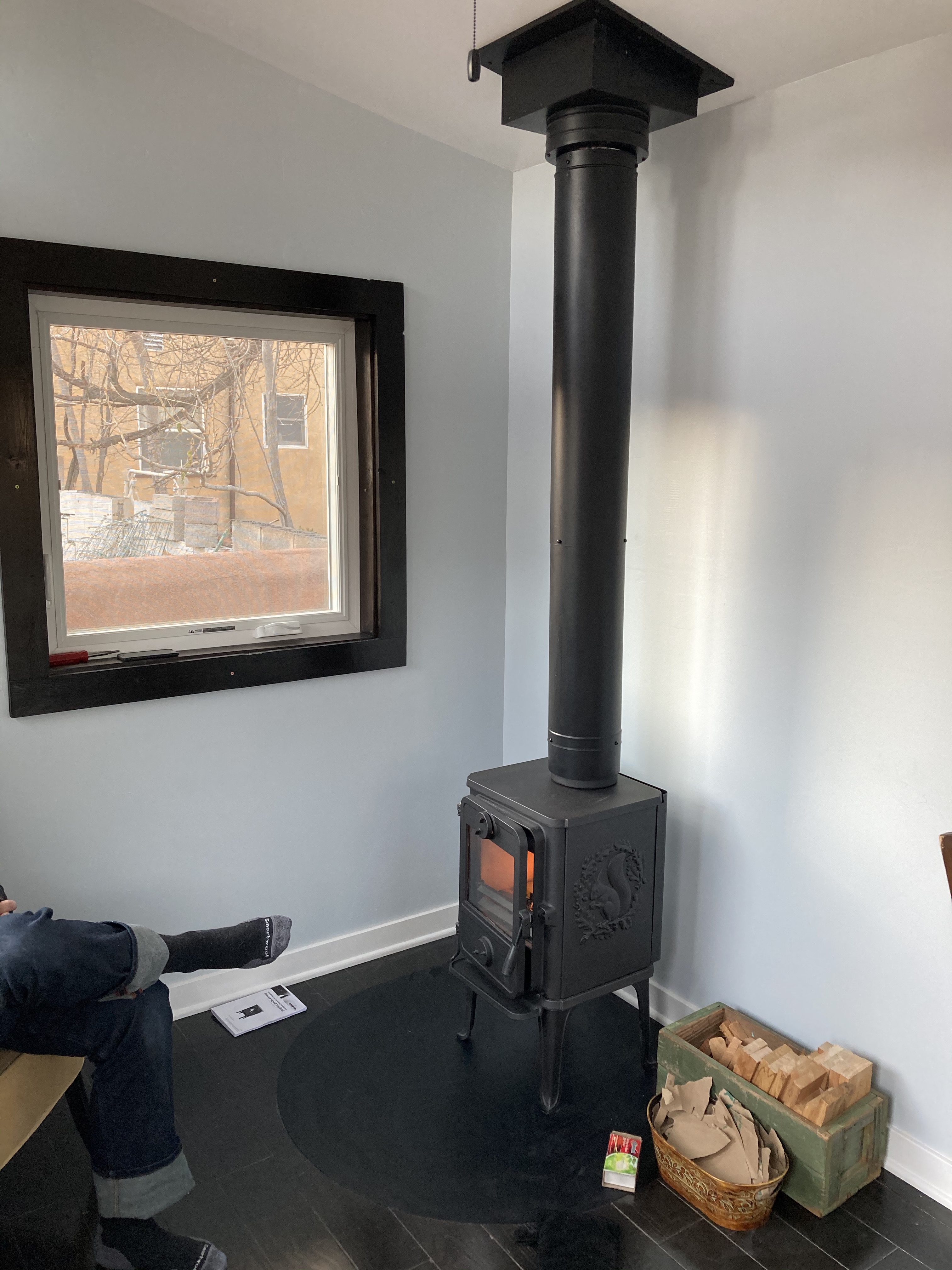
In the summer of 2020, the pandemic raging, I needed to get out of my head and do something “embodied,” as they say on the mindfulness podcasts. Chop wood, carry water. A solution came to me quickly. In truth, this solution was something I’d been considering for years, a solution in need of a problem. I would build a shed in the backyard. A Mertonian hermitage, with a cast iron Morsø “Squirrel Stove,” manufactured in Copenhagen, the capitol and most populous city in Denmark. I would chop wood with a Gränsfors Bruk handforged splitting axe from Bergsjö, Sweden, a small village three hours north of Stockholm.
There was one obstacle. The site supervisor would approve only one location. “The boys haven’t been up in the treehouse in years,” she said.
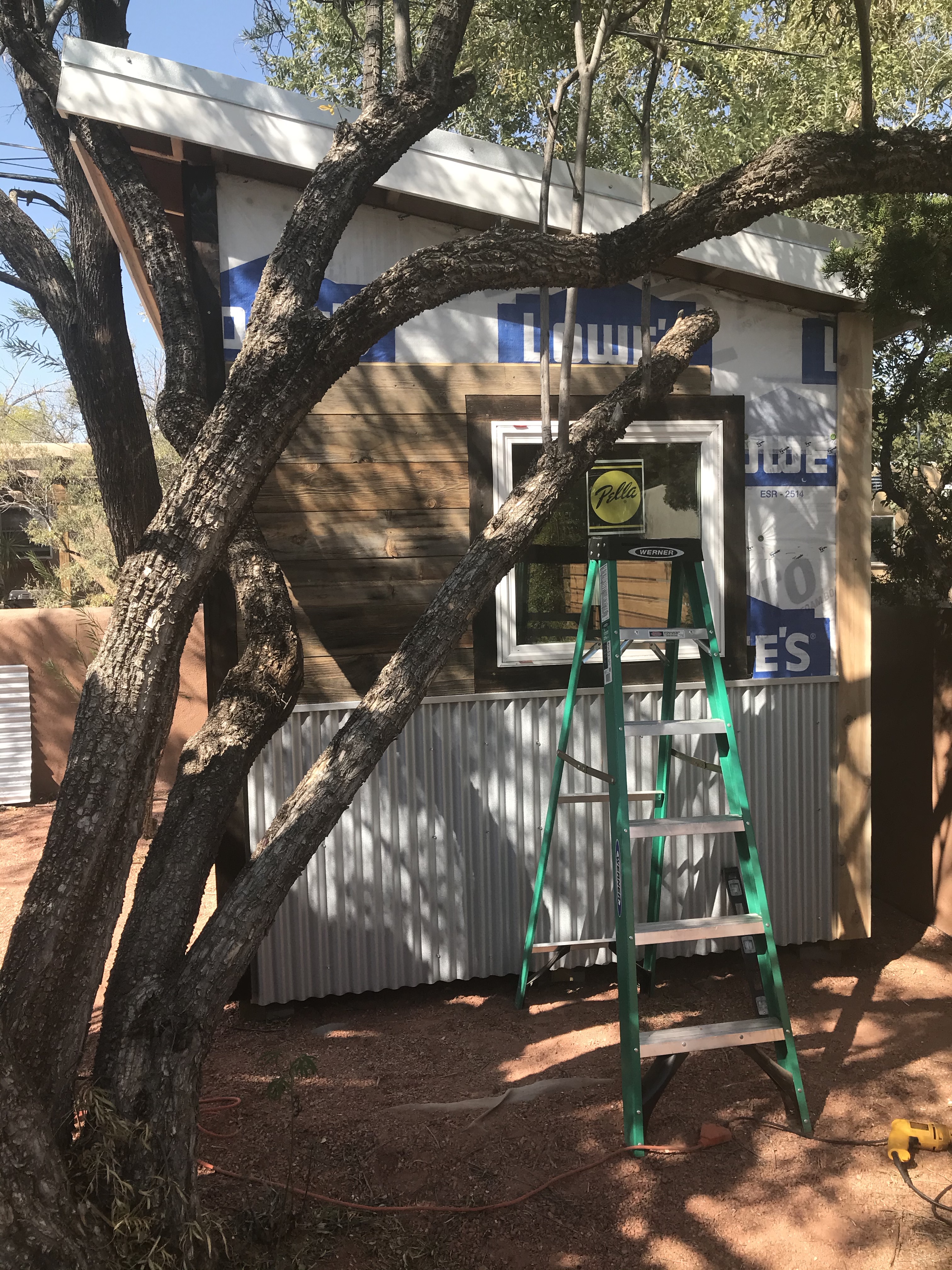
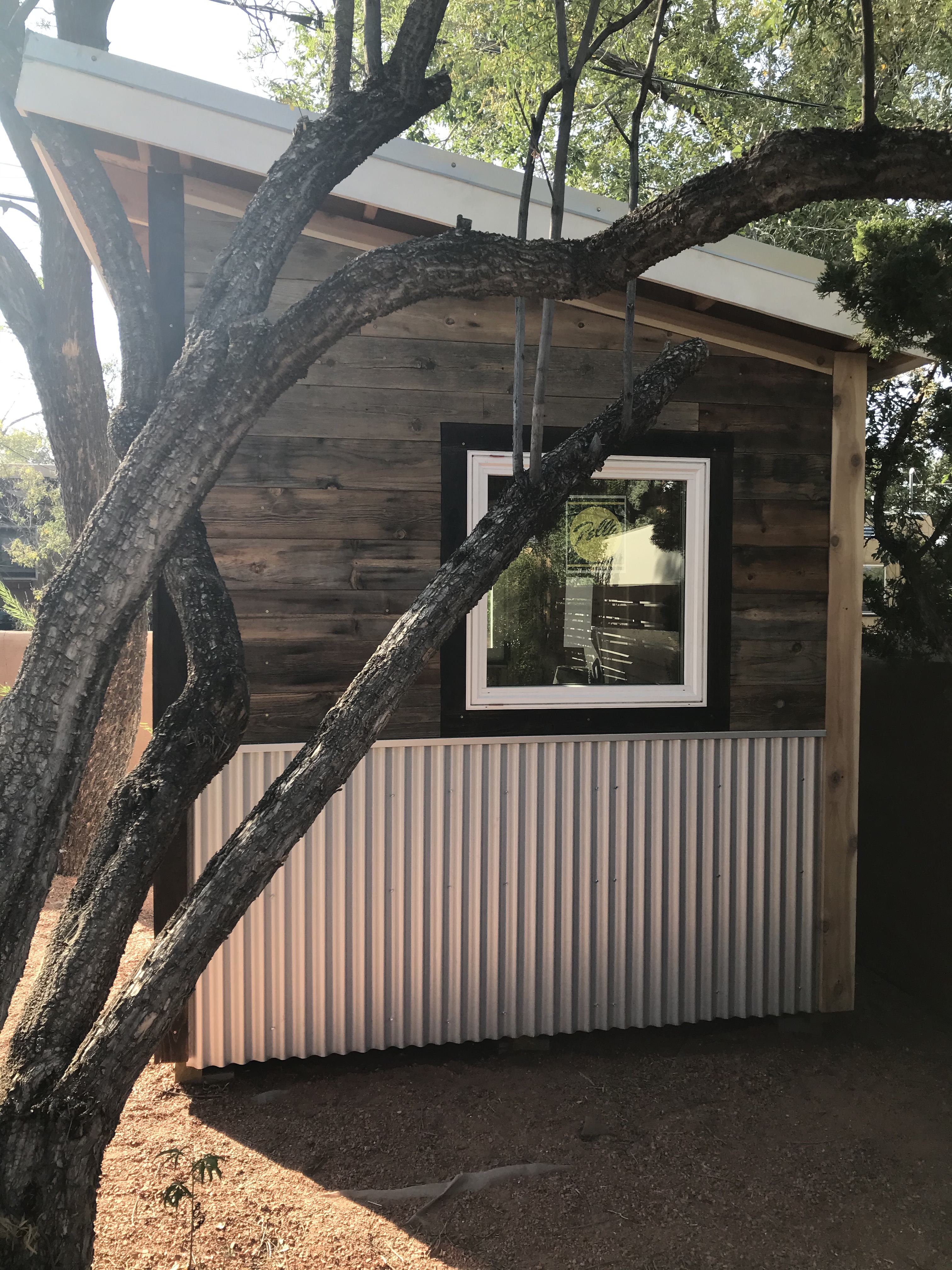
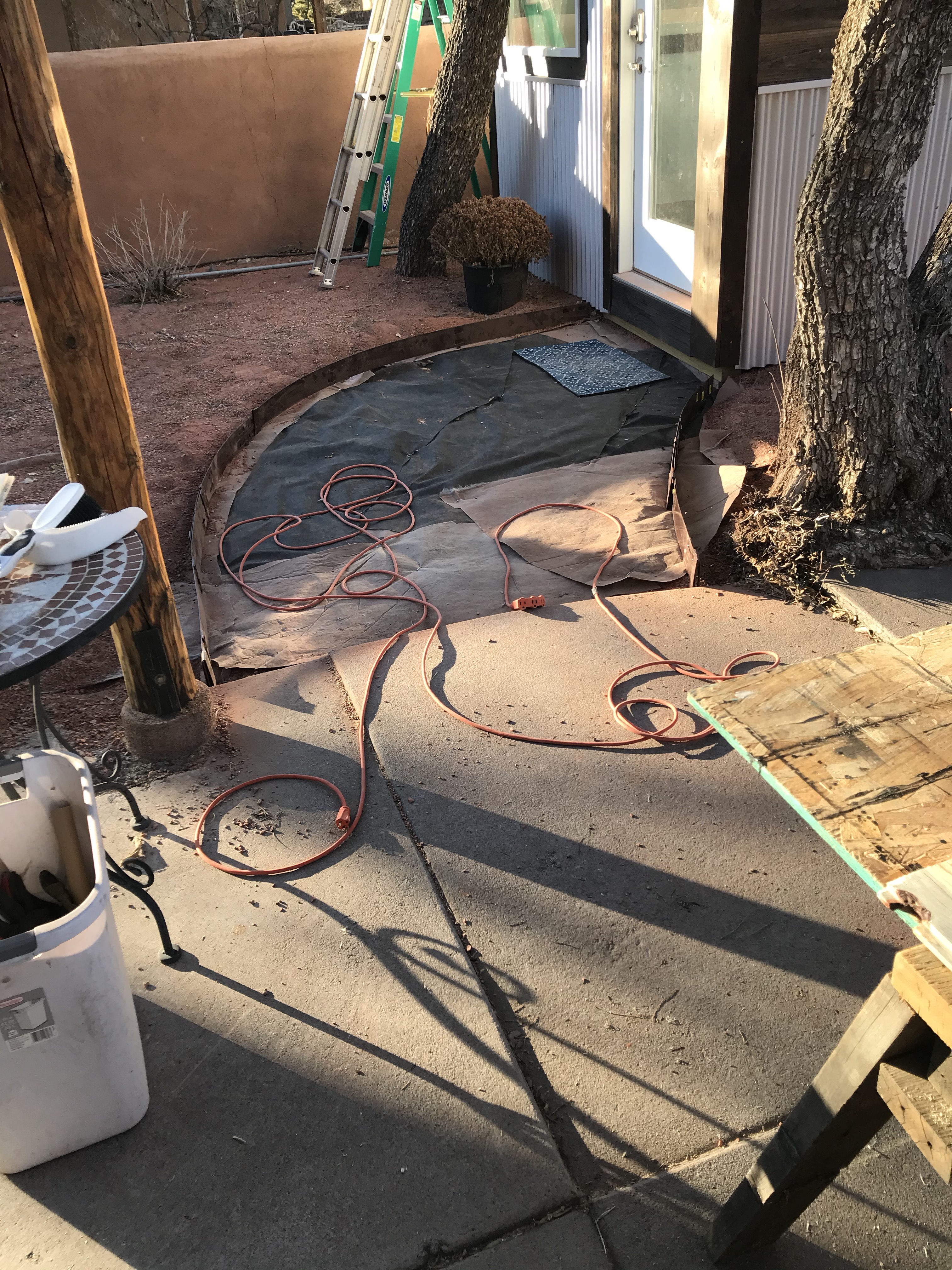
I wanted the treehouse to erode like an abandoned barn into the landscape of the backyard, changing at an ecological speed I might be able to accept. Also, neighborhood kids still played in it while the adults drank coffee or beer on the patio.
It came to me that if I repurposed as much of the weathered wood as possible, the shed, in a Heraclitan sense, would still be the treehouse. I tore the treehouse down in a single afternoon.

At dusk, there was nothing, no structure rising up into the canopy of the desert willow and the monk’s tree, their branches intertwining in the fading light where memories and meanings once stood.











 Gregory Martin